South Korea & Japan Adventure

October 2026 - The Trip of a Lifetime

17 days | Seoul → Tokyo → Takayama → Tokyo

October 2026 Trip Calendar

Why This Trip?

I love you all and want to travel with you! I know a trip like this is a bit expensive, but my first trip to Japan was so life changing I wanted to have another experience like that with some of those closest to me. Plus, now we are adding South Korea which makes this a great once in a lifetime endeavor.

The point of this itinerary is to give you an idea of what Nicole and I will be doing. You are welcome to join any part of this trip that looks interesting to you, you are not obligated to go to all parts of it. If Japan doesn't sound interesting then just join us on the South Korean leg of the journey. If Takayama isn't your vibe then head to Kyoto or Hiroshima instead. Take this as an opportunity to meet up with us where you can and build your own once in a lifetime adventure!

Who all (might!) be going?

Ben & Nicole (confirmed)
Miguel & Ashley (confirmed)
Jon & Mallory (unconfirmed)
Ashley Creel (unconfirmed)
Kama Hurley (unconfirmed)
Joel & Mel (unconfirmed)
Tom & Monica (unconfirmed)
Marissa & Michael (unconfirmed)
Emily Pearson (unconfirmed)
Jason (unconfirmed)

⚠️ Warning: Although Nicole and I are planning on taking this trip we won't be 100% sure until we actually buy the tickets. You can't buy plane tickets for October of 2026 yet. We hope there are no roadblocks but the unexpected does happen (as the last couple years of multiple layoffs, deaths, and across state moves have taught us). As soon as we buy tickets for sure I'll let you all know.

Day-by-Day Overview

🇰🇷 Part 1: South Korea (6 nights)

Our Korean adventure centers around Seoul's vibrant neighborhoods and unique market culture. We'll dive deep into vintage shopping in trendy districts like Seongsu-dong and Hongdae, explore traditional hanok villages, and experience everything from K-pop culture to centuries-old morning markets. A day trip to Nami Island offers stunning fall foliage and natural beauty, while a tattoo appointment and treasure hunting at Dongmyo flea market add personal touches to the journey. Each day balances Seoul's modern energy with its rich cultural heritage.

1

The Arrival

Sunday, October 4

📍 Seoul

After departing Friday, October 2nd and crossing the Pacific and the International Date Line, we land in Seoul ready to begin our adventure. Today is about recovery and orientation—getting our bearings in one of Asia's most dynamic cities.

What We're Doing:

  • Arrive at Seoul Incheon Airport and transfer to hotel
  • Pick up T-money cards (Seoul's rechargeable transit card)
  • Download Naver Maps (Google Maps doesn't work well in Korea)
  • Take a gentle walk around the neighborhood
  • Find a local restaurant for our first Korean meal
  • Early to bed to recover from jet lag

Why This Matters: Fighting jet lag is real. By keeping today light and getting proper rest, we'll be energized for the full days ahead.

Seoul cityscape
2

Markets & Traditional Seoul

Monday, October 5

📍 Seoul

Today we dive into Seoul's incredible market culture and discover one of the city's most charming traditional neighborhoods.

Morning: Gwangjang Market

One of Seoul's oldest and most beloved traditional markets. Picture rows of tiny stalls with grandmothers cooking over hot plates, steam rising from bubbling pots, and the intoxicating smell of sizzling pancakes.

What to Try:

  • Bindaetteok (savory mung bean pancakes fried to crispy perfection)
  • Fresh bibimbap served in brass bowls
  • Mayak gimbap ("drug kimbap"—so called because they're addictively good)
  • Various Korean street snacks and kimchi varieties

Afternoon: Ikseon-dong Hanok Village

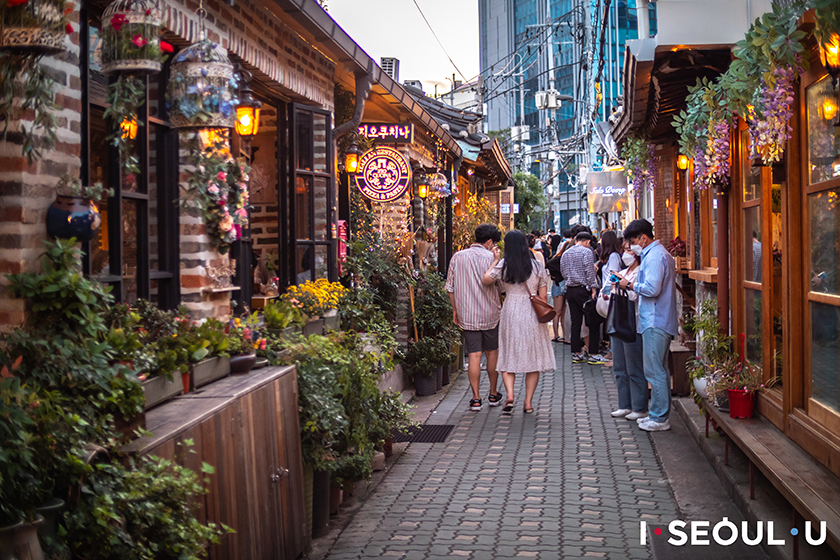
This maze of narrow alleyways lined with traditional Korean houses (hanok) has been transformed into one of Seoul's hippest neighborhoods. Century-old wooden architecture housing indie boutiques, artisan coffee shops, and cozy cafes.

Why Ikseon-dong Wins: Less crowded than famous hanok villages, perfect blend of traditional architecture and modern aesthetics, indie shops selling unique items.

Ikseon-dong streets
3

Vintage Vibes & K-Pop Dreams

Tuesday, October 6

📍 Seoul

Today is all about Seoul's creative energy—from the industrial-chic Seongsu-dong to the youthful chaos of Hongdae.

Morning: Seongsu-dong - Seoul's Brooklyn

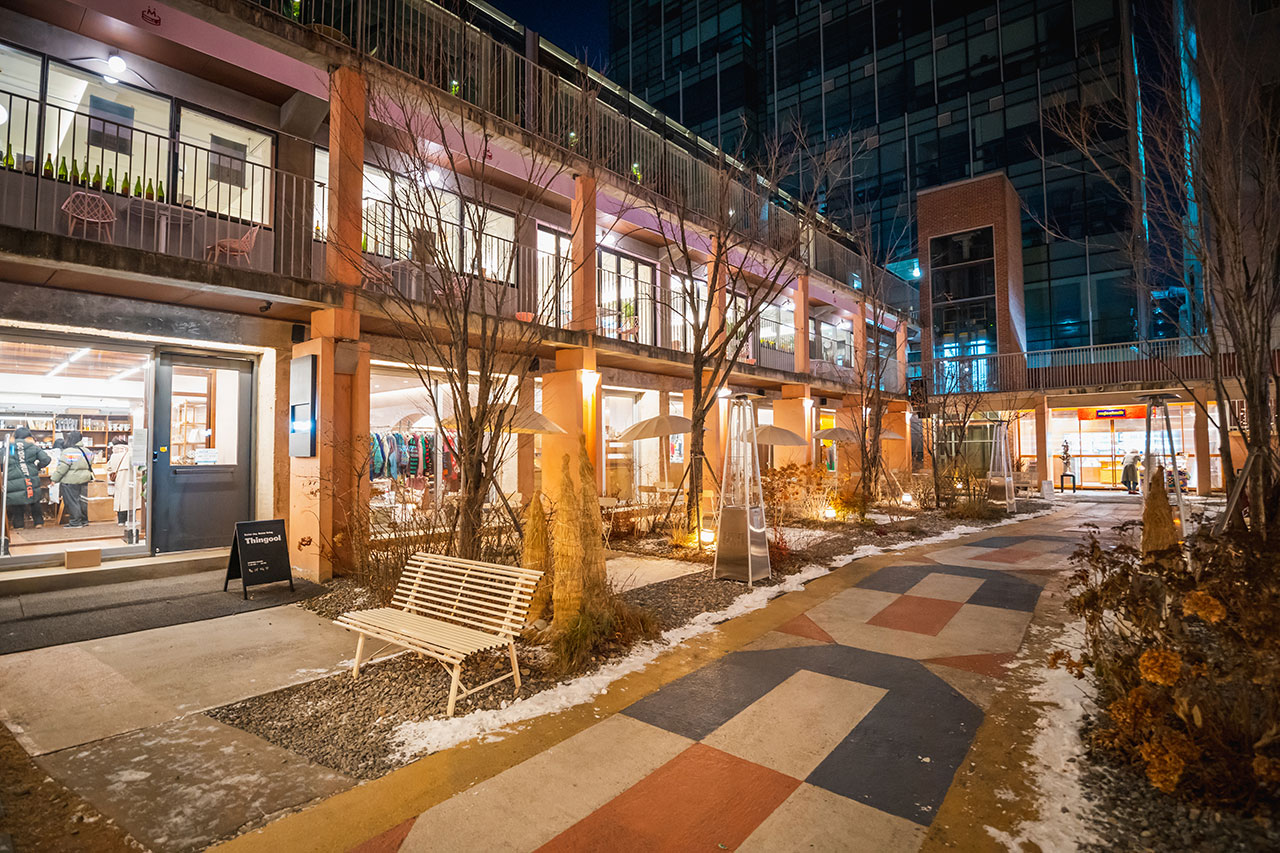
Once an industrial area of shoe factories, now Seoul's trendiest neighborhood. Converted factory spaces now house concept stores, artisan coffee roasters, and some of the city's best vintage shopping.

What Makes It Special:

  • Authentic vintage clothing shops (better selection than tourist areas)
  • Some shops carry larger sizes, especially Western vintage pieces
  • Third-wave coffee culture at its finest
  • Less crowded than Hongdae or Myeongdong
  • Great photo opportunities with industrial aesthetic

Afternoon: Tongin Market

Unique brass coin system—exchange modern money for old-style coins, then use them at various food stalls. It's like a culinary treasure hunt!

Evening: Hongdae - K-Pop Central

The beating heart of Seoul's youth culture. Street performers, buskers, K-pop dance crews—Hongdae has it all.

What You'll Find:

  • Stores dedicated to K-pop merchandise (albums, posters, lightsticks)
  • Indie fashion boutiques with Korean street style
  • Live street performances
  • Noraebang (Korean karaoke)
  • Underground music venues
Seongsu-dong industrial aesthetic
4

Nami Island & Garden of Morning Calm

Wednesday, October 7

📍 Gapyeong (Day Trip)

Today we escape Seoul's urban energy for a day of natural beauty and romantic scenery. This is where Korean dramas come to film their most picturesque moments.

The Journey

A scenic 1-hour train ride on the ITX from Seoul to Gapyeong, then a short shuttle to our destinations.

Nami Island (2-3 hours)

This half-moon shaped island is famous for its tree-lined paths that create natural tunnels of foliage. In October, you'll catch the beginning of fall colors—leaves transitioning from green to gold and red.

What Makes It Worth It:

  • Stunning tree-lined walking paths (metasequoia lane is famous)
  • Completely car-free and peaceful
  • Flat, easy terrain—perfect for walking
  • Quirky art installations and sculptures throughout
  • Small cafes and snack shops on the island
  • The island has its own "passport" stamp system

Garden of Morning Calm (2-3 hours)

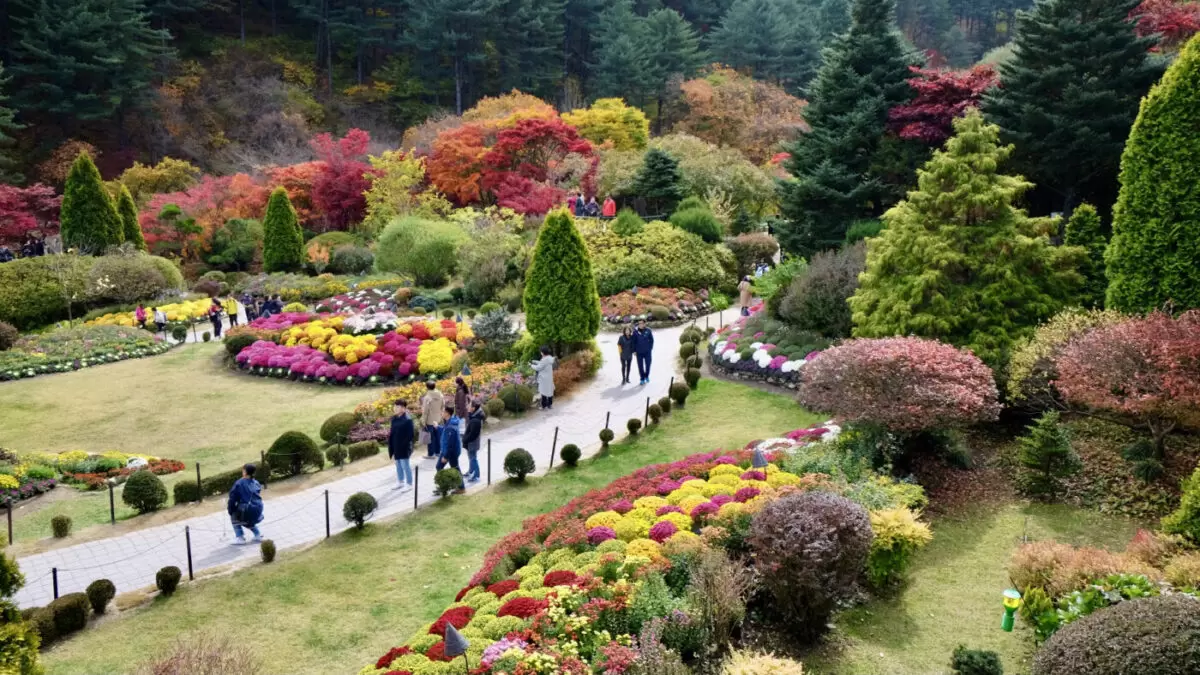
If Nami Island is about natural tree-lined beauty, the Garden of Morning Calm is about curated horticultural artistry. This 30-acre garden showcases Korean landscaping traditions with over 20 themed gardens.

October Highlights: Fall chrysanthemum displays, autumn foliage beginning to peak, Korean traditional garden aesthetics, mountain backdrop views.

Garden of Morning Calm
5

Tattoo Day & Treasure Hunting

Thursday, October 8

📍 Seoul

Today centers around the tattoo appointment, with flexible plans depending on how things go.

Morning/Afternoon: Tattoo Appointment

Seoul's tattoo scene is world-class, especially for fine-line work, delicate designs, and detailed pieces. Artists in Hongdae and Itaewon are accustomed to working with international clients.

Areas to Book:

  • Hongdae: Younger vibe, street art influence, trendy styles
  • Itaewon: International neighborhood, foreigner-friendly, diverse styles

If Feeling Good: Dongmyo Flea Market

Seoul's largest vintage and secondhand market—massive, overwhelming, and absolutely packed with treasures if you're willing to dig. Think entire buildings full of vintage clothing, antiques, retro items, and random interesting things.

What You'll Find: Genuine vintage clothing (Korean and Western), retro items from the 70s-90s, antique Korean furniture, military surplus and workwear.

Evening: Myeongdong

Seoul's main shopping district—touristy but fun, with tons of K-pop merchandise stores, Korean beauty shops, street food vendors, and general shopping chaos.

Korean tattoo artist
6

Books, Markets & Final Explorations

Friday, October 9

📍 Seoul & Paju

Our final full day in Seoul is about soaking up any last experiences and doing some final shopping.

Morning: Namdaemun Market

Korea's oldest market—huge, historic, and covers everything from traditional Korean ingredients to clothing to housewares. Great place for last-minute gift shopping or picking up Korean snacks.

Afternoon: Arc.N.Book in Paju (1 hour from Seoul)

This might be the most beautiful bookstore you've ever seen. Arc.N.Book isn't just a bookstore—it's an architectural marvel, a cultural space, and a reader's dream.

Why It's Worth the Trip:

  • Architecturally stunning building
  • Massive book collection (mostly Korean, but beautiful regardless)
  • Art galleries and exhibition spaces
  • Cafe with floor-to-ceiling windows
  • Even if you can't read Korean, the space is incredible
  • It's a pilgrimage for book lovers

Evening: Final Seoul Dinner & Packing

Last night in Seoul—time for a memorable dinner, then back to the hotel to pack for our flight to Tokyo tomorrow.

Arc.N.Book architecture
7

Seoul → Tokyo

Saturday, October 10

✈️ In Transit

Morning/Midday:

  • Check out of Seoul hotel
  • Flight from Seoul Incheon (ICN) to Tokyo (Narita or Haneda)
  • Flight time: 2.5 hours

Afternoon:

  • Arrive Tokyo
  • Transfer to hotel
  • Explore neighborhood around hotel
  • Find dinner nearby
  • Early night to rest up for first full Tokyo day

The Shift: Seoul's energy is vibrant and evolving; Tokyo's is hyper-efficient and layered. We're trading Korean BBQ for ramen, K-pop for anime, hanbok villages for ancient temples.

🇯🇵 Part 2: Japan (9 nights)

Japan offers a perfect blend of urban excitement and mountain tranquility. In Tokyo, we'll explore the city's creative neighborhoods—Shimokitazawa for vintage treasures, Daikanyama for beautiful bookstores, and Golden Gai for intimate bar-hopping. A full day at Tokyo Disneyland provides pure fun, while our escape to Takayama in the Japanese Alps reveals traditional Japan at its finest. The journey culminates with Takayama's legendary morning markets, Hida beef feasts, and a traditional ryokan experience complete with kaiseki dining and possibly an onsen. We'll return to Tokyo for final explorations, free days to follow our interests, and memorable last moments in this incredible country.

8

Coffee, Books & Vintage Treasures

Sunday, October 11

📍 Tokyo

Our first full day in Tokyo focuses on neighborhoods that showcase the city's creative soul—places where locals actually hang out.

Morning: Starbucks Reserve Roastery Tokyo

Yes, it's Starbucks, but this isn't your local strip mall location. The Starbucks Reserve Roastery in Nakameguro is a four-story temple to coffee, featuring rare beans, theatrical brewing methods, and stunning interior design. It's an experience.

Late Morning: Shimokitazawa - Vintage Paradise

If Seongsu-dong was Seoul's Brooklyn, Shimokitazawa is Tokyo's East Village—a maze of narrow streets packed with vintage shops, record stores, indie boutiques, and cozy cafes. This is THE neighborhood for vintage shopping in Tokyo.

What Makes Shimokitazawa Special:

  • Dozens of curated vintage clothing stores
  • Better chance of finding larger sizes (Western vintage imports)
  • Mix of affordable and high-end vintage
  • Less overwhelming than Harajuku
  • Walkable scale—cover the main area in an afternoon
  • Local vibe—this is where young Tokyoites actually shop

Shopping Tips: Stores like "New York Joe Exchange" have large inventories. Many shops buy vintage from the US, so sizing is more friendly. Accessories and bags are always good bets.

Afternoon: Daikanyama Tsutaya Books

After the controlled chaos of Shimokitazawa, we head to the sophisticated calm of Daikanyama for one of the world's most beautiful bookstores. Tsutaya Books isn't just a bookstore—it's a lifestyle complex with three connected buildings housing books, magazines, music, a gallery, and a stunning cafe.

Why Book Lovers Must Visit: Curated selection of art, design, and travel books. Some English titles, but the aesthetic is universal. Connected Anjin lounge/cafe with amazing coffee. Can spend hours browsing even if you don't read Japanese.

Starbucks Reserve Roastery Tokyo
9

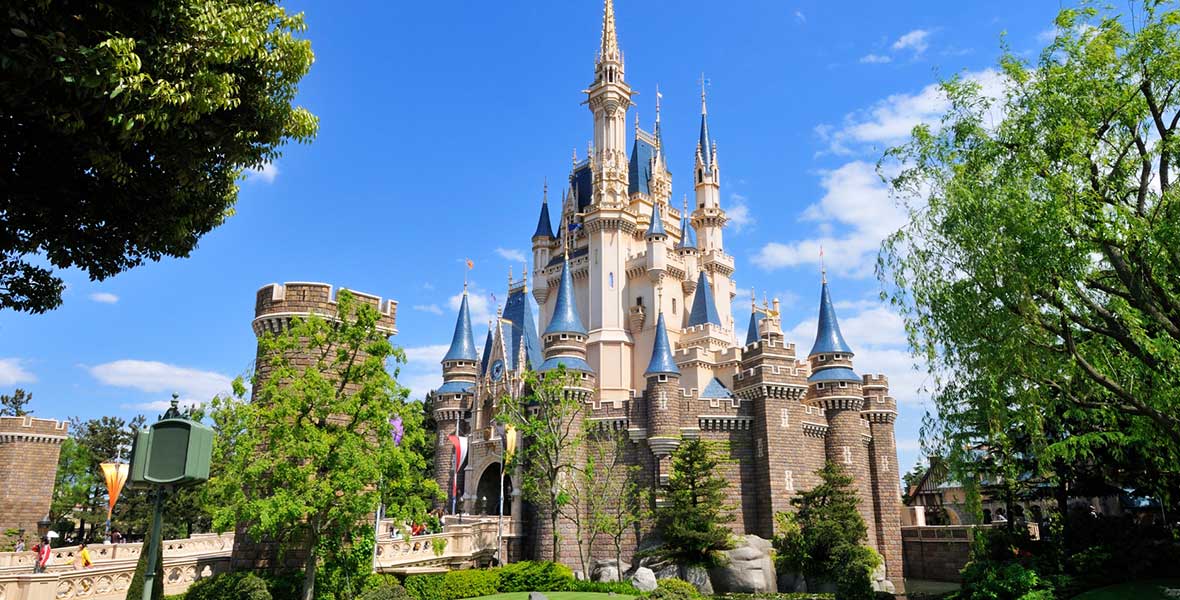
Tokyo Disneyland

Monday, October 12

📍 Tokyo Disneyland

Today is pure fun—no cultural enrichment required. Tokyo Disneyland and its sister park DisneySea are considered by many to be the best Disney parks in the world. The attention to detail, the efficiency, the unique attractions, and the Japanese approach to customer service create something special.

October Advantage

Halloween season at Tokyo Disney is elaborate. Special decorations, themed food, characters in costumes, and generally festive atmosphere.

Pro Tips:

  • Arrive at opening for shorter wait times
  • Download the Tokyo Disney Resort app for wait times and mobile ordering
  • Japanese Disney popcorn buckets are legendary (collectible designs)
  • Table service restaurants should be booked in advance
  • The park is efficient—you'll experience more than you think

What Makes Tokyo Disney Different:

  • Japanese crowd courtesy makes lines more pleasant
  • Staff ("Cast Members") are exceptionally dedicated
  • Food quality is higher than US parks
  • Unique attractions (Pooh's Hunny Hunt, Monsters Inc. ride)
  • Everything is impeccably clean
  • Attention to detail everywhere

This is a full day—expect to be there from opening until evening, tired but happy.

Tokyo Disneyland
10

Tokyo → Takayama

Tuesday, October 13

🚂 In Transit

Today we leave Tokyo's intensity for the peaceful mountains of Gifu Prefecture. Takayama is everything Tokyo isn't—small, traditional, quiet, preserved. This is where you see the Japan of woodblock prints and period dramas.

Morning:

  • Check out of Tokyo hotel
  • Board the JR Limited Express Wide View Hida train
  • Travel time: 2.5 hours through increasingly mountainous scenery

The Journey Itself

The train ride from Tokyo to Takayama is scenic—watch the landscape change from urban sprawl to rice fields to mountains. The train is comfortable, has large windows, and occasionally provides great views of the Japanese Alps.

Arrive Takayama (Early Afternoon)

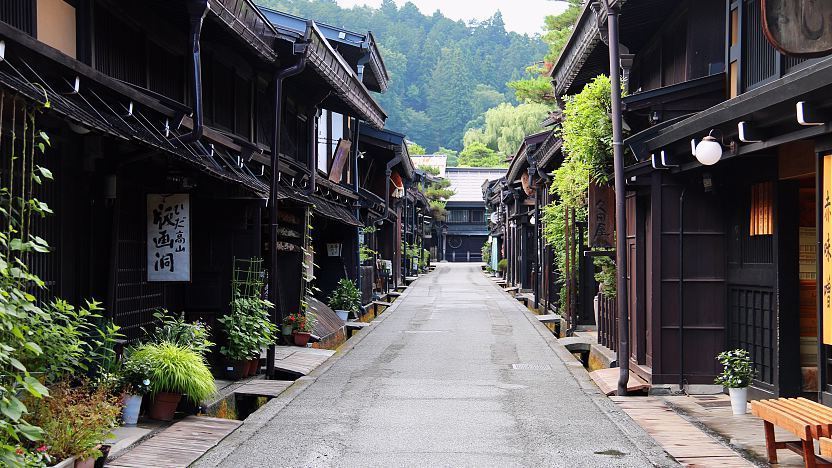
Takayama is small enough to grasp quickly but interesting enough to explore for days. The town center is compact, traditional, and immediately charming. As soon as you step out of the station, you'll feel the difference—cleaner air, mountain views, slower pace.

Afternoon Activities:

  • Check into our ryokan (traditional Japanese inn)
  • Explore Takayama's old town (Sanmachi Suji)
  • Wander the preserved Edo-period streets
  • Browse sake breweries (many offer free tastings)
  • Check out craft shops selling Takayama's famous woodwork

Evening: Traditional Ryokan Experience

Tonight is special—a real ryokan stay with all the traditional elements:

  • Tatami mat rooms with futon bedding
  • Yukata (casual kimono) provided to wear around the inn
  • Traditional kaiseki dinner (multi-course seasonal meal)
  • Possibly access to an onsen (hot spring bath)

Dinner: The kaiseki meal at the ryokan will be a highlight—beautifully presented seasonal dishes, local ingredients, Hida beef if we're lucky. This is Japanese hospitality at its finest.

Takayama old town streets

⛰️ Takayama Highlight

11

Takayama Morning Markets

Wednesday, October 14

📍 Takayama

Today is all about why we came to Takayama—the morning markets. Set your alarm early; this is worth waking up for.

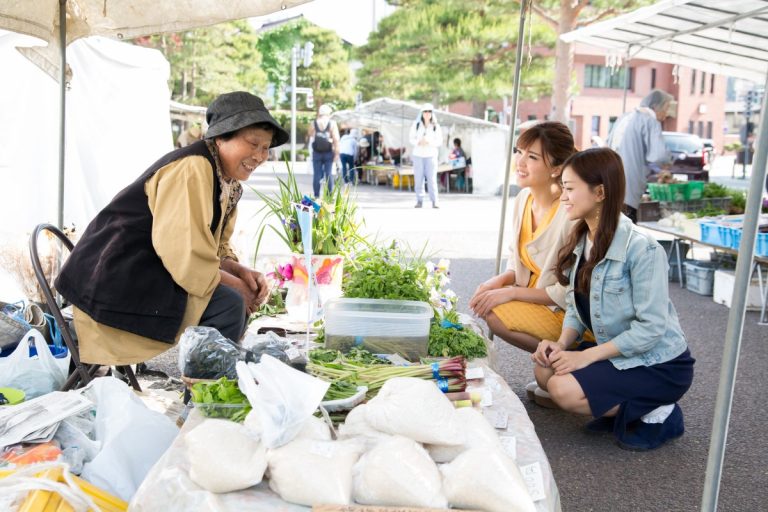
Early Morning: Takayama Morning Markets (Both of Them)

Takayama has two morning markets that run every single day, year-round:

1. Miyagawa Morning Market (Along the Miyagawa River)

  • 60+ stalls stretching along the riverbank
  • The larger and more famous of the two
  • Stunning setting with mountain backdrop
  • Local farmers selling produce, pickles, flowers
  • Craft vendors with handmade items
  • Snack stalls with hot food

2. Jinya-mae Morning Market (In front of Takayama Jinya)

  • Smaller, more intimate feel
  • Right in front of the old government building
  • Traditional atmosphere
  • Mix of produce and crafts

Why These Markets Are Special

These aren't created for tourists—they've been running for centuries and serve local residents. October is harvest season, so you'll see:

  • Fresh autumn produce and mushrooms
  • Traditional pickled vegetables
  • Local honey and preserves
  • Handmade crafts (woodwork, textiles)
  • Fresh mochi and snacks
  • Seasonal flowers

The setting is what elevates it—mountain backdrop, river running alongside, traditional buildings framing the scene, crisp autumn air. If you love farmers markets, this is the platonic ideal.

Late Morning: Deeper Takayama Exploration

Takayama Jinya (Old Government House) - Only surviving Edo-period government building in Japan. Well-preserved historical site that gives context to the region's history.

Sake Brewery Tours - Multiple small breweries offer tours and tastings. Takayama's mountain water makes excellent sake. Often free or very cheap to taste.

Merchant Houses - Several preserved homes open to the public. Shows how wealthy merchant families lived. Beautiful traditional architecture.

Lunch: Hida Beef

Takayama is famous for Hida beef—premium wagyu from Gifu Prefecture. It rivals Kobe beef but costs less and is less touristy. Find a restaurant serving Hida beef:

  • Hida beef nigiri sushi
  • Grilled Hida beef
  • Hida beef ramen
  • Traditional sukiyaki or shabu-shabu

Afternoon

More wandering, shopping for crafts, enjoying the peaceful atmosphere. This is a rare day with no rigid schedule—just soak it in.

Evening

Second night at the ryokan, another traditional dinner. Enjoy the slower pace and mountain quietness.

Takayama Morning Markets
12

Takayama → Tokyo

Thursday, October 15

🚂 In Transit

Morning (Optional):

  • Last chance to hit the morning markets if you want
  • Or sleep in and enjoy a leisurely ryokan breakfast

Late Morning:

  • Check out of ryokan
  • Explore Takayama for a final hour or two if desired
  • Board the train back to Tokyo

Afternoon:

  • Arrive Tokyo
  • Check into hotel (staying 3 more nights)
  • Settle back into city rhythm
  • Neighborhood exploration

Evening

Free to explore. Maybe revisit a neighborhood we liked, or try a new area. Tokyo has endless options for dinner.

The Reentry: After two nights in quiet, traditional Takayama, Tokyo will feel even more intense. That's intentional—the contrast makes you appreciate both places more.

13

Tokyo Markets & Neighborhoods

Friday, October 16

📍 Tokyo

Today we explore Tokyo's more local neighborhoods and hit a genuine farmers market—though nothing will quite match Takayama's morning markets, Tokyo has its own style.

Morning: UN University Farmers Market (Aoyama)

Every Saturday and Sunday, this organic farmers market sets up near the UN University building. It's small by American standards (20-30 vendors) but quality-focused:

  • Organic vegetables from farms outside Tokyo
  • Artisan bread and baked goods
  • Local food producers
  • Craft items
  • Coffee and food stalls

It's trendy and a bit expensive, but the quality is excellent and it's fun to see Tokyo's organic/sustainable food movement in action.

Late Morning/Afternoon: Neighborhood Exploration

Option A: Kichijoji (West Tokyo)

  • Consistently rated Tokyo's most livable neighborhood
  • Inokashira Park (easy, pretty walk around a pond)
  • Vintage shops and used bookstores
  • Cozy residential feel
  • Less touristy than central Tokyo

Option B: Nakameguro

  • Canal walk with cherry trees (beautiful even without blossoms)
  • Boutique shopping
  • Excellent cafes
  • Hip but not frantic

Option C: More Shimokitazawa - If we loved it on Day 8, go back for more vintage hunting. Different shops open different days.

Evening: Golden Gai Bar Hopping

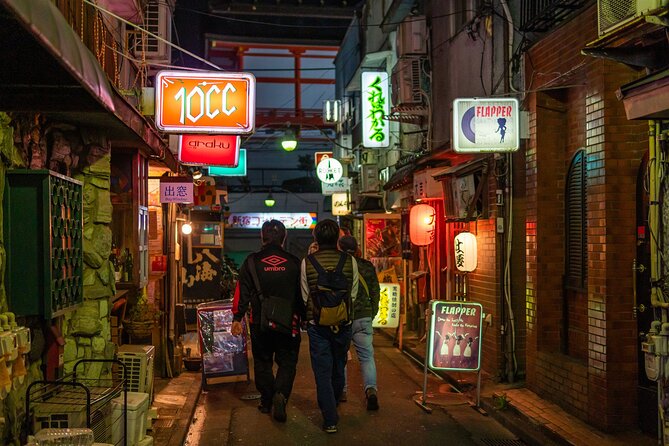
Tonight we experience one of Tokyo's most unique nightlife areas. Golden Gai in Shinjuku is a small district of narrow alleys packed with tiny bars—and I mean tiny. Most bars seat 5-8 people maximum.

What Makes Golden Gai Special:

  • Over 200 microscopic bars in a few blocks
  • Each bar has its own theme, personality, clientele
  • Intimate, quirky atmosphere
  • Some bars charge cover fees (usually 500-1000 yen)
  • It's an experience unique to Tokyo

Pro Tips: Look for bars with English signs or open doors (welcoming to newcomers). Don't just hit the first bar—wander and find one that appeals. Two-drink minimum is common. Cash only in most places.

Golden Gai alley
14

Free Day: Your Choice

Saturday, October 17

📍 Tokyo

Today has no set plan—we can revisit favorite spots, tackle anything we missed, or try something completely new based on how we're feeling.

Possible Options

If We Want More Shopping:

  • Akihabara (anime, gaming, electronics, otaku culture central)
  • Harajuku (Takeshita Street for chaotic youth fashion)
  • Omotesando (upscale shopping, people watching)

If We Want Culture:

  • TeamLab Borderless or TeamLab Planets (digital art museums—trippy and beautiful)
  • Senso-ji Temple (Tokyo's oldest temple, in Asakusa)
  • Tokyo National Museum (serious cultural education)

If We Want Nature:

  • Ueno Park (zoo, museums, peaceful walks)
  • Hamarikyu Gardens (traditional garden with tea house)
  • Yoyogi Park (people watching, street performers on weekends)

If We Want Food Adventures:

  • Tsukiji Outer Market (seafood and kitchen tools)
  • Depachika crawl (department store basement food halls—incredible)
  • Ramen tour of different neighborhoods

If We're Tired:

  • Chill day in a nice neighborhood
  • Long lunch somewhere great
  • Onsen/spa experience
  • Early dinner and relaxed evening

The beauty of having no plan is we can decide based on weather, energy, and mood.

Akihabara
15

Last Full Day

Sunday, October 18

📍 Tokyo

Tomorrow morning marks the end of the trip, so today is about soaking up final Tokyo moments and any last must-dos.

Morning/Afternoon: Final Priorities

What haven't we done that we really wanted to? What neighborhood did we love and want to revisit? This is the day to make it happen.

Possible Priorities:

  • Any shopping we meant to do but didn't
  • Revisiting favorite cafes or bookstores
  • Taking photos in spots we loved
  • Buying gifts or souvenirs
  • Eating at a restaurant we've been wanting to try

Afternoon: Leisurely Pace

No rushing today. Take time to enjoy being in Tokyo without an agenda.

Evening: Memorable Final Dinner

Let's make this last night count. Options:

  • Traditional izakaya for the full Japanese pub experience
  • Upscale sushi if we haven't done that yet
  • Themed restaurant (Tokyo has everything from robot shows to ninja performances)
  • A neighborhood spot we've come to love

Night

Pack, prepare for departure tomorrow, soak in the last Tokyo evening.

Tokyo night skyline
16

Departure Day

Monday, October 19

✈️ Heading Home

Morning:

  • Final Tokyo breakfast
  • Last-minute souvenir shopping if needed
  • Check out of hotel
  • Head to airport

Flight Home

Time to head back with incredible memories, amazing photos, and stories to tell for years.

This is the trip that becomes the story you tell for years. 17 days of markets, traditions, modern culture, incredible food, and unforgettable experiences across South Korea and Japan.

How much will this cost?

Here's a realistic breakdown of costs for this 17-day adventure. Prices are in USD and based on 2025 rates for US travelers.

✈️ Flights

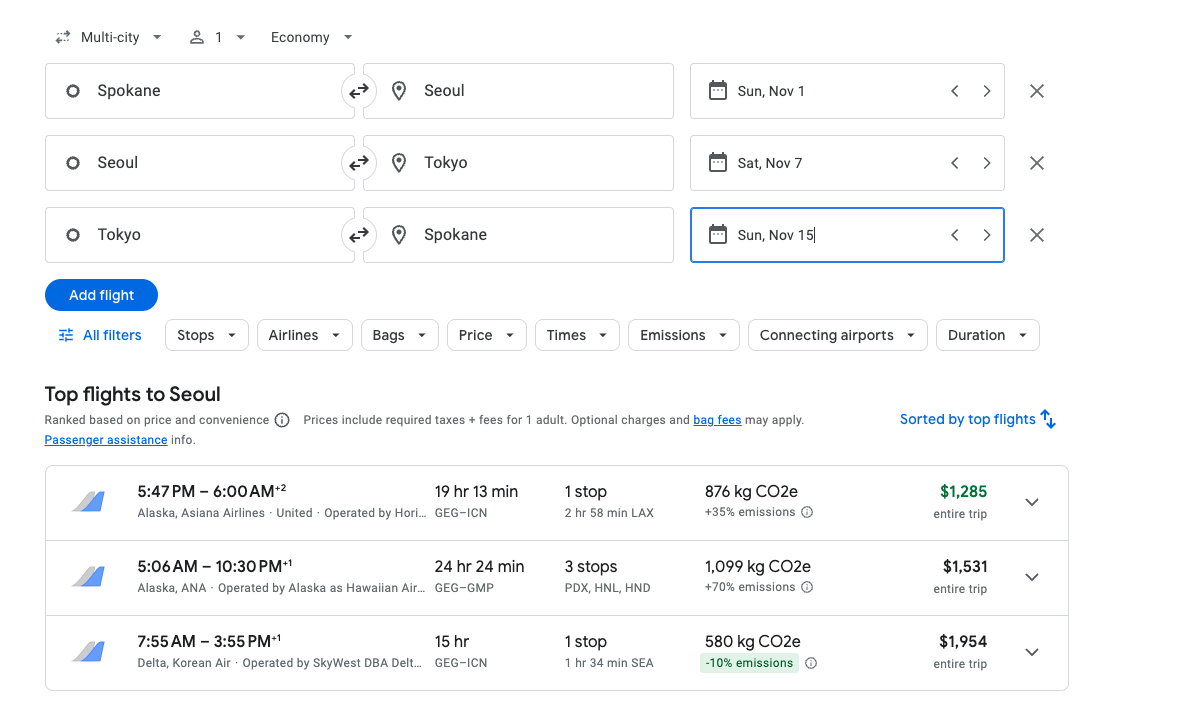
$800 - $1,500

per person, round trip

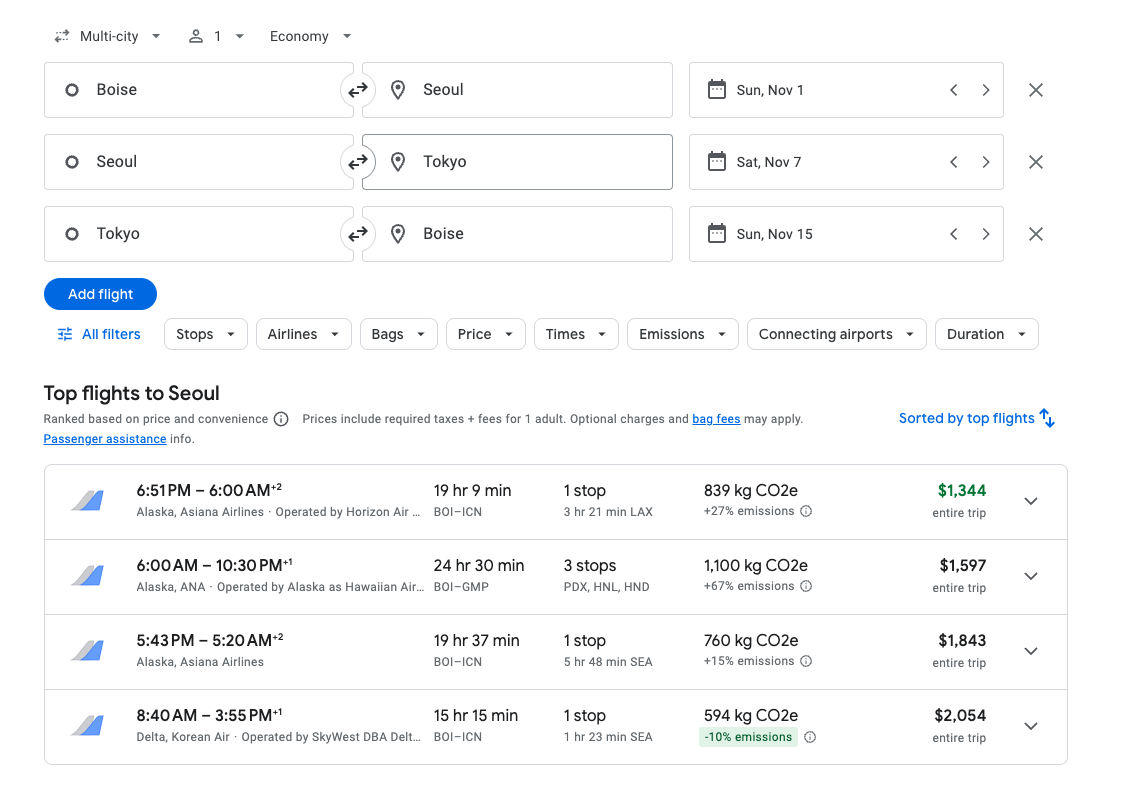
From US to Seoul:

  • ✈️ Spokane, WA: $1,100-$1,500
  • ✈️ Boise, ID: $900-$1,250
  • ✈️ Reno, NV: $1,000-$1,450
  • ✈️ Orlando, FL: $800-$850

Internal flights:

  • 📍 Seoul → Tokyo: ~$100-200

Tip: Book early and be flexible with connections for best prices. October is a great month for deals!

🏨 Accommodation

$1,700 - $2,400

per person (16 nights)

  • 🇰🇷 Seoul: $100-120/night (6 nights)
  • 🇯🇵 Tokyo: $100-200/night (7 nights)
  • ⛰️ Takayama: $150-200/night (2 nights)
  • ✈️ In-flight: Oct 2 & 19

Based on mid-range hotels. Sharing rooms cuts costs significantly!

🍜 Food & Drinks

$680 - $950

per person (17 days)

  • 🇰🇷 Seoul: $30-50/day
  • 🇯🇵 Tokyo: $40-60/day
  • ⛰️ Takayama: Included in ryokan

Street food, casual restaurants, and convenience stores keep costs low.

🎫 Activities & Transport

$400 - $600

per person

  • 🎢 Tokyo Disneyland: ~$75
  • 🚇 Subway/train cards: ~$100-150
  • 🏞️ Day trips & attractions: ~$150-200
  • 🎨 Museums & experiences: ~$75-175

Consider a JR Pass for Tokyo-Takayama trains.

🛍️ Shopping & Extras

$300 - $1,000+

per person (highly variable)

  • 👕 Vintage shopping (Shimokitazawa, Seongsu-dong)
  • 🎁 Souvenirs & gifts
  • 💆 Tattoo (if getting one)
  • 📦 Shipping items home

This is entirely up to you!

💰 Total Estimated Cost

$3,900 - $6,500

per person (excluding shopping)

This is for a comfortable, mid-range experience with nice hotels, good food, and all major activities. Budget-conscious travelers can do this trip for $3,000-$3,500 by staying in hostels, eating street food, and skipping some activities. Luxury travelers will spend more.

💡 Pro tip: Sharing hotel rooms and booking flights early can save $1,000+ per person!

📋 Practical Information

🌏 Both Countries

🚫 No Tipping

Tipping is not done in either country. In Japan, it can actually be considered rude. In Japan, you may be automatically charged an "otoshi" (appetizer/seat charge) - this cannot be refused and is normal.

🚶 No Jaywalking

Do not jaywalk in either country! Both take pedestrian laws seriously. Always wait for the signal, even if the street looks clear.

👟 Shoes Off Indoors

If you see a pile of shoes near the door or temporary slippers, take off your shoes. This happens in homes, some restaurants, temples, and even some hotels (yes, even fancy hotel lobbies!).

🗑️ Trash Cans are RARE

Public trash cans are hard to find in both countries. Bring a small bag or sling bag to carry your trash and purchases until you find a bin (often at convenience stores).

🧺 Carry a Small Cloth (Japan)

In Tokyo especially, bring a small hand towel/cloth. Many Japanese bathrooms lack paper towels or hand dryers (and sometimes soap!). The cloth is also useful for wiping sweat. Many locals carry one.

🍽️ Restaurant Etiquette

Korea: Go up to the counter to pay. Don't wait for the bill.
Japan: Shout "Sumimasen!" (excuse me) to get the waiter's attention - it's normal and not rude. They won't check on you otherwise.

🇰🇷 South Korea

💳 T-Money Card

Get a T-Money card at the airport immediately. It works for subway, buses, taxis, and even some convenience stores. Rechargeable and essential!

🗺️ Navigation

Use Naver Maps instead of Google Maps. Google Maps doesn't work well in Korea. Naver is accurate and has English support.

🤝 Giving & Receiving

When giving or receiving something (like a receipt or credit card), use both hands. It's seen as polite and respectful.

🚕 Taxis

Avoid black taxis! They're "Deluxe" taxis and very expensive. Use the Kakao Taxi app instead. Note: Taxis are expensive after 10pm.

⚠️ Cult Awareness

Watch out for people approaching you about psychic stuff, your aura, or saying "you have a good vibe." These are often cult recruiters. Koreans generally don't approach strangers randomly.

🇯🇵 Japan

💴 Cash is King

Many places don't accept cards. Always carry cash. 7-Eleven ATMs work with foreign cards and are everywhere.

🚇 IC Cards

Get a Suica or Pasmo card at any train station. Works on all trains, subways, and many vending machines. Rechargeable and super convenient.

🎫 JR Pass

Consider a 7-day JR Pass for the Tokyo-Takayama portion. It covers the expensive limited express trains and can save you money.

💬 Language

More English signage than Korea, especially in Tokyo. Google Translate's camera function is invaluable for menus and signs.

🍜 Eating Etiquette

Eating while walking is generally frowned upon. Find a spot to stop and eat, or eat at the shop/stall.

🤫 Train Manners

Be quiet on trains. Phone calls are not acceptable. Put your phone on silent and text instead.

Frequently Asked Questions

Do I need to speak Japanese or Korean in order to go?

No you don't. Knowing a few good phrases can help, but Google Translate is really awesome too. I don't know any Korean but I'm planning on studying some with Pimsleur a month or so before I go. I find that knowing how to say phrases like "Excuse me", "Thank you", "Sorry", and "That please (while pointing)" helps make it through 90% of interactions. Plus most large cities have many people that speak English. Takayama might have less English speakers, but you can still get around I'm sure. Just be polite and nice and try your best. They will love you for it.

What will the weather be like in October?

October is one of the best times to visit! Both South Korea and Japan experience pleasant fall weather with comfortable temperatures. Expect daytime temperatures around 60-70°F (15-21°C) in Seoul and Tokyo, with cooler mornings and evenings around 50-55°F (10-13°C). Takayama in the mountains will be cooler, around 45-60°F (7-15°C). There's a chance of occasional rain, but generally sunny and mild. Clothing advice: Pack layers! Bring light sweaters or cardigans, a light jacket, comfortable walking shoes, and a compact rain jacket or umbrella. You'll want long pants and maybe some long-sleeve shirts, but short sleeves work for the afternoon. The layering approach is key since temperatures can vary throughout the day.

Can I bring XYZ? (Kids, friends, someone not on the list on this page?)

Yes! I very much consider these independent vacations that just all happen to be in the same towns/countries. I recommend talking with each other if you want to plan certain things. Like for example, if Mel & Joel want to bring their kids they might be able to rent a full house and have Michael & Marissa and the kids come too. You would just have to coordinate that yourselves. Or you can make it an adults only trip and be more independent. Anything is fine.

I really want to go to Kyoto/Osaka/somewhere not on the list!

Feel free to do so! This page is what Nicole and I are planning on doing that way you know times and places you can meet up with us if you so choose. Maybe you don't spend any time in Tokyo and you just have a beer with us at Golden Gai towards the end of the trip. That's totally fine! Alternatively, maybe you like this itinerary and you want to do the whole thing with us. That's cool too!

What should I pack?

  • Comfortable walking shoes (15,000+ steps daily)
  • Layers (October varies - cool mornings, warm afternoons)
  • Day backpack for purchases and water
  • Portable battery pack for phones
  • Light rain jacket (occasional October rain)

What apps should I download to prepare for this trip?

  • Korea: Naver Maps, Papago translator, Kakao Taxi
  • Japan: Google Maps, HyperDia (trains)
  • Both: Google Translate (download offline languages)
  • Tokyo Disney Resort App (for Disneyland day)

What if I don't know everyone on this trip?

I know that not everyone knows each other, but you all know me and/or Nicole. If you are seeing this page I think you are cool and I have good taste so I'm sure you will think everyone else is cool. The only not cool person coming is Miguel, but that can't be helped. I invited him already and now it's way too awkward to uninvite him. I hope he doesn't read this FAQ.